
You’ve been reading, watching videos, and trying the best methods to cure your dog’s anxiety, but still, you can’t get a hold of it. Be patience! We are here to tell you that there’s hope!
Dealing with dog anxiety can be a challenging and stressful experience, not just for the dog but also for you as dog owner. However, with the right approach and treatment, it is possible to help your dog overcome its anxiety and lead a happier, calmer life. But how long does it take? Let’s find out.
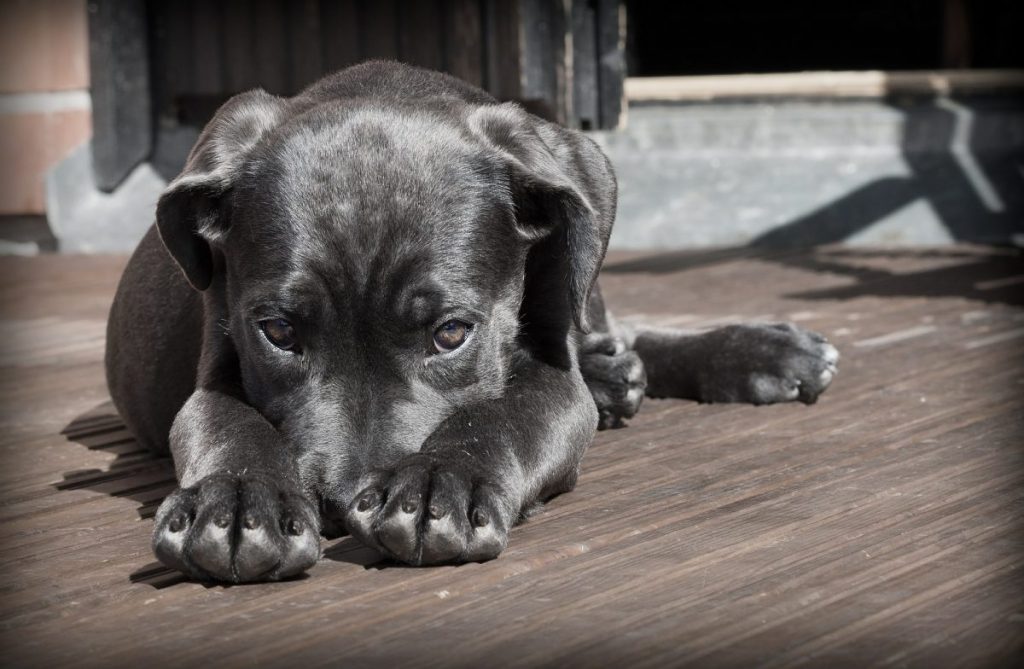
The duration of the dog anxiety treatment varies based on several factors, including the severity of the anxiety, the underlying cause of the anxiety, and the individual dog’s personality and behavior. For example, a dog with a mild case of separation anxiety may respond well to training and behavior modification in just a few weeks, while a dog with a more severe form of anxiety may take several months or longer to see improvement. The treatment to cure the symptoms can generally be short term (around four months), medium term (around six months), or extended therapies that can last one year or more.
“Stress is an ignorant state. It believes that everything is an emergency. Nothing is that important.”
—Natalie Goldberg
How long will it take to cure my dog’s anxiety? Factors to consider
To begin the treatment process, it is important to seek the advice of a veterinarian and a professional dog trainer. Your veterinarian can rule out any underlying medical conditions that may be contributing to the anxiety and provide a referral to a trainer who specializes in working with anxious dogs.
The first step is to identify the cause of the anxiety and create a customized treatment plan based on the specific needs of the dog. This may involve a combination of training, behavior modification, and in some cases, medication.
Training and behavior modification can include teaching the dog new behaviors, counter-conditioning, and desensitization. If your vet prescribes medication the healing process may differ according to effect time and drug loading period. Let’s learn about these in more detail.
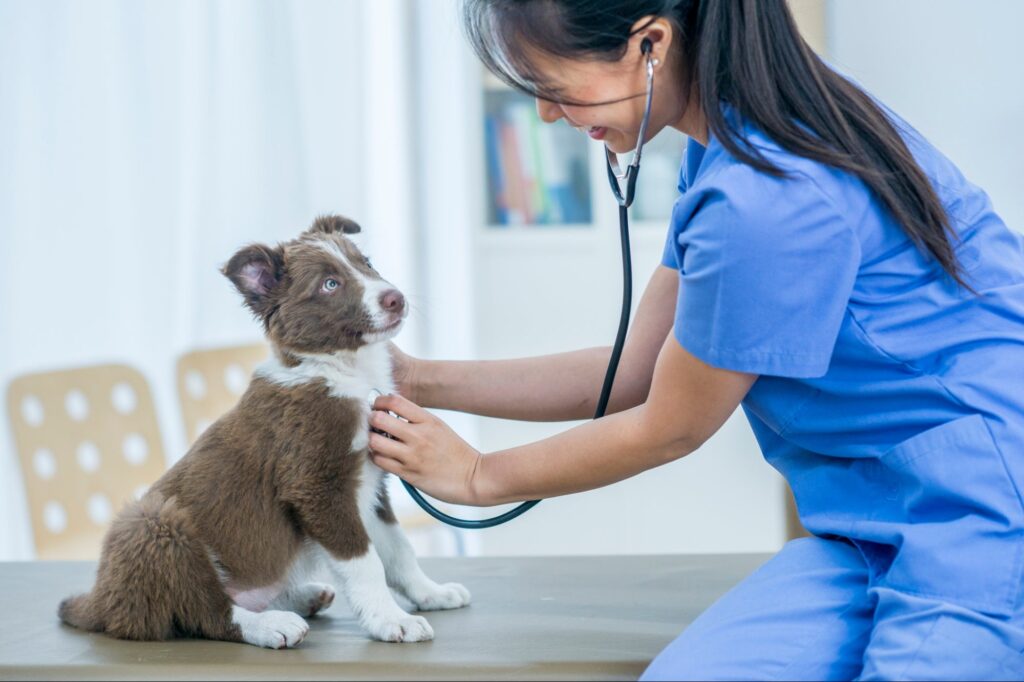
Medications: effect time
When considering treatment length and medications, the main point to take into account is the medications effect times. Some of them require one or two months before they become fully effective on your dog.
Others, start having effect instantly therefore, it’s important to consider this variable when outlining how will it take to cure your dog anxiety.
Drug loading period
Consider also the drug loading period. This is, in simple words, the quantity of medications that the vet will give to your pet which will be higher at the beginning and lower at the end of the therapy. The right dosage will affect how long your furry friend will take to overcome the anxiety issue.
Remember It is important to be patient and persistent in the treatment process. Curing dog anxiety is a gradual process, and results may not be seen overnight. However, with consistent and committed effort, most dogs can make significant progress in overcoming their anxiety.
With this in mind, let’s dive into the therapy lengths for the biggest cause of anxiety in dogs: separation.
Dog separation anxiety: an overview on therapies length
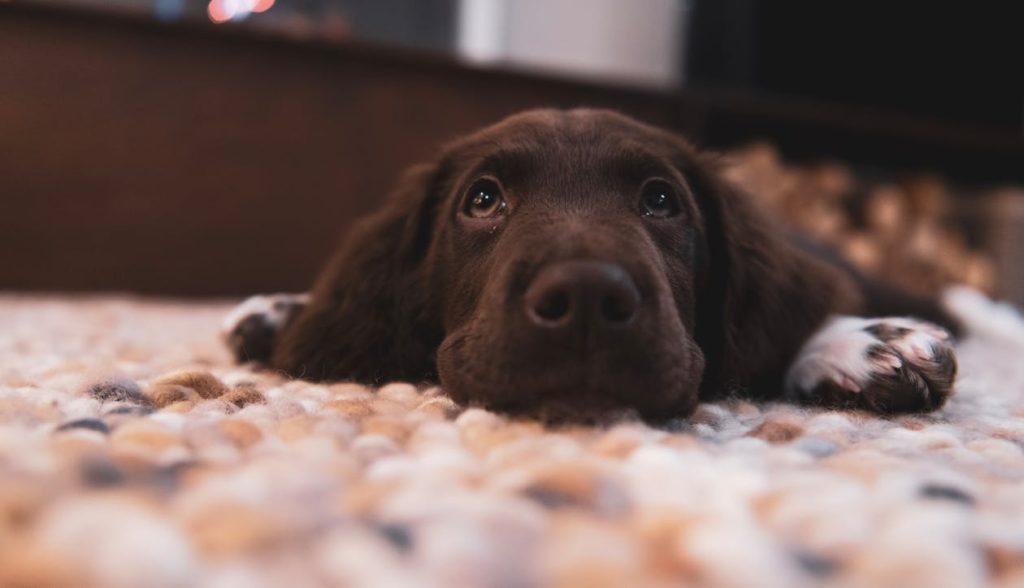
Separation anxiety is a very common issue among dogs, and it can cause your furry friend to experience great distress. 20-40% of veterinary behavioral specialists see cases for separation anxiety disorder in dogs each year!
When separation anxiety hits, the factors that may influence the length of the healing process are several, but as mentioned the most important are:
- medications.
- type of therapy.
The medications for separation anxiety treat your dog’s emotional state first. They are fully effective after 4 – 8 weeks from the initial administration, so take this into account when considering how long it will take to cure your dog’s anxiety. Start the treatment as soon as possible as to build the base for behavioral therapies.
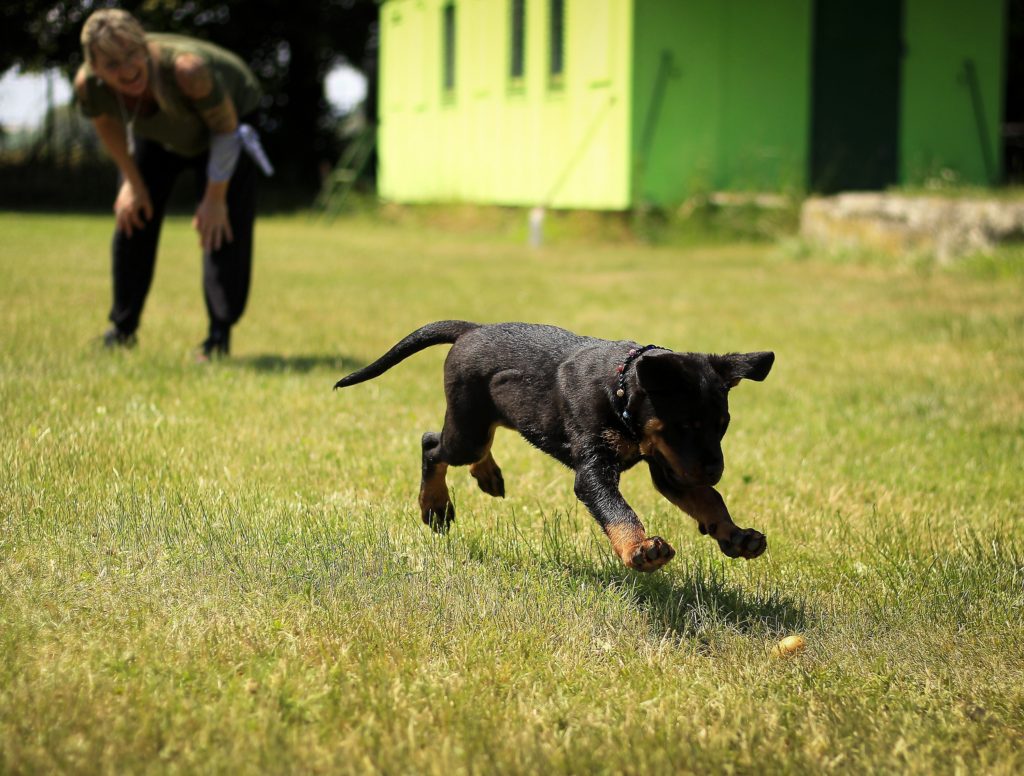
Remember: although crucial for the healing path, medications won’t help your dog on their own, and to be effective, they should be combined with behavior modification.
This will change the length of the healing process according to the specific situation because every dog responds to therapy differently.
How to cure dog separation anxiety faster
Separation anxiety treatments generally span over the medium-long term. Below, we have created a full list of practical tips that will help your dog separation anxiety.
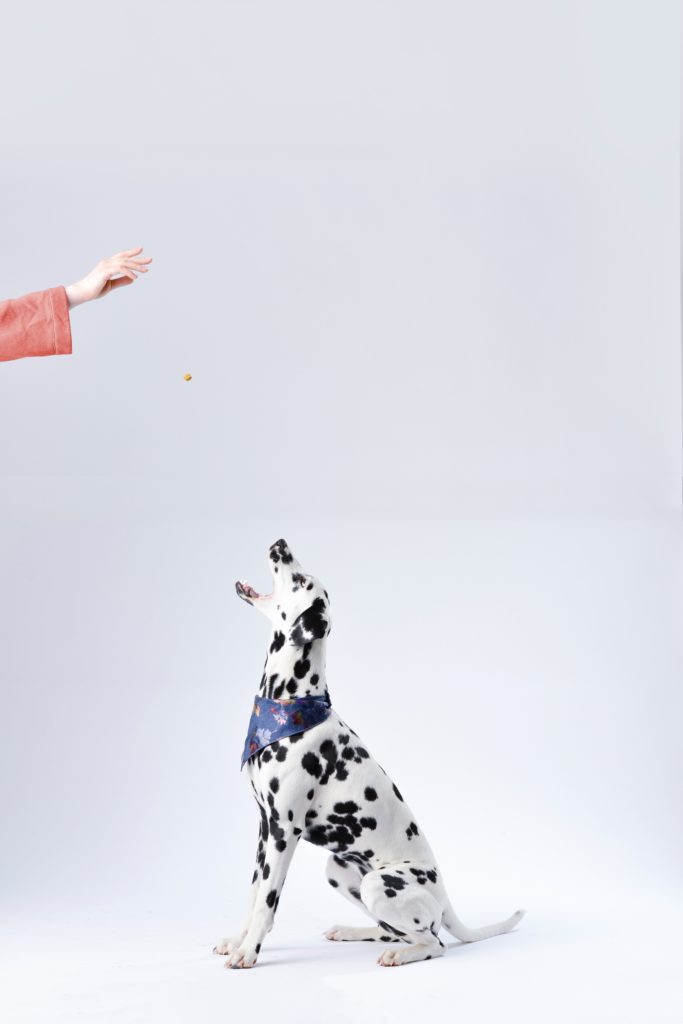
- Give your dog a treat each time you leave your home. Be sure to give the treat only when you leave, not when you come back home.
- Keep your “coming home ritual” low-key. For extreme cases, think about completely ignoring your dog when you come back after a long day out.
- With the aim of leaving ‘your presence’ in your house, leave worn clothes around before going out. This will send a signal to your dog’s brain that you didn’t ‘leave completely’.
- When you leave, give your dog toys or natural tranquilizers.
- Mimic your leaving ritual several times a day without really leaving, so that your dog can get used to the idea of being alone without getting anxious.
- Take the previous point to the next level: get ready to leave and actually leave your house for seconds or minutes. In a second instance, increase the time of your absence till your dog gets used to it (ultimately leaving your place).
- Play calming music when you leave your place. Many studies have shown that music has calming effects on dogs.
- Play calming dog videos.
- Exercise our dog regularly, as this helps dogs heal from stress and anxiety.
- Keep your dog’s mind active with toys and games and videos.
- Use a slow-paced approach for all the above, rushing thing may make things worse so take your time and guide your furry friend with a nurturing approach.
Tips that help you shorten dog anxiety therapies
If you think your dog may suffer from anxiety, the first step to addressing the problem is to talk to your veterinarian who will help you identify the symptoms and cure them.
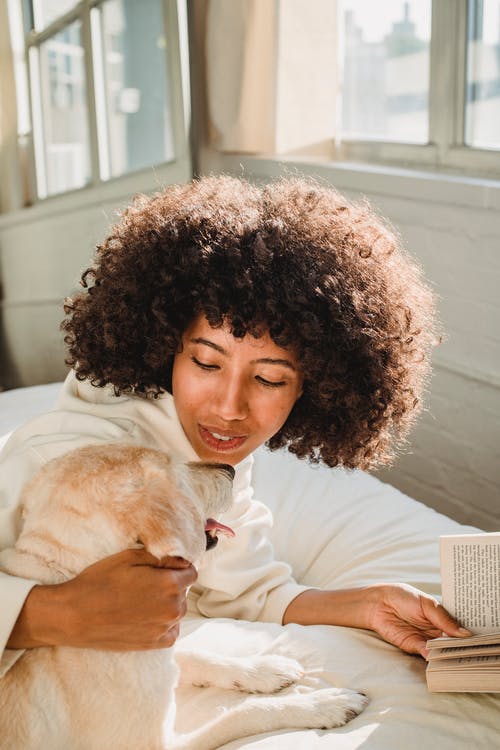
Other factors that can help your dog are:
- Massages: like for humans, a good massage can help your dog relieve muscle tensions, therefore helping them with stress and anxiety.
- There are special t-shirts and coats have a calming effect on your furry friend by giving them a soft and gentle pressure that has a relaxing effect.
- Crates: there are specific crates designed for anxious dogs. They are similar to normal crates but have customized details, such as noise reduction, designed to help your dog relax.
- Owner touch: Your dog is a lot like you when it comes to feeling loved and important. This can certainly come from their owner’s touch – so show your pup some love by picking it up when they seem anxious or giving them long petting sessions!
In conclusion, the length of time it takes to cure dog anxiety varies based on several factors, but with the right approach, it is possible to help dogs overcome their anxiety and lead a happier, calmer life. It is essential to work with a veterinarian and a professional dog trainer to develop a customized treatment plan for your dog and be patient and persistent in the process. Remember that some forms of anxiety may not be completely curable, but they can be managed to improve the quality of life for the dog.