
Dogs are highly emotional creatures. Like us they experience a wide range of emotions, including fear and anxiety and we, humans, often confuse them or we think they are the same thing.
Although dog anxiety and fear may look similar, they are two distinct emotional states with different triggers, symptoms, and responses. So to help you better understand your furry friend, we are going to give you an overview of the difference between dog anxiety and fear, because when it comes to dog wellbeing, knowledge is power!
Let’s dive in!
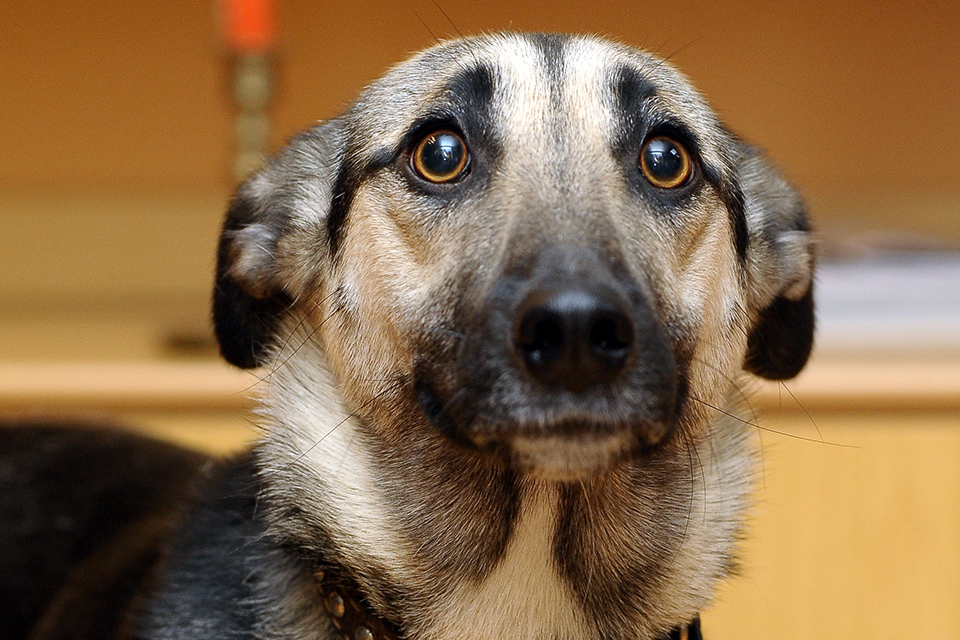
“Anxiety is extremely contagious, but so is calm.”
Harriet Lerner
What is Dog Anxiety?
Dog anxiety is a state of worry or apprehension that is not necessarily linked to a specific cause or trigger. It is a generalized feeling of unease that dogs experience, often due to an unclear sense of danger or uncertainty. Dogs develop anxiety for many reasons: genetics, previous trauma, or a lack of socialization.
Dogs with anxiety may display a range of symptoms, including:
- Excessive barking
- Pacing
- Panting
- Restlessness
- Aggression
- Destructive behaviors.
They may also exhibit physical symptoms, such as trembling, drooling, and sweating. In some cases, dogs with anxiety may avoid certain situations or become excessively attached to their owners, following them everywhere they go.
Anxiety can be especially challenging for dogs and their owners, as it may not have an obvious trigger or cause. Treatment for dog anxiety may involve a combination of behavioral modification techniques, medication, and environmental changes to create a more calming and reassuring environment for the dog.
What is Dog Fear?
Dog fear, on the other hand, is a specific emotional response to a particular trigger or situation. Fear is a normal and healthy response to potential danger, because it helps dogs to stay safe in threatening situations. However, when a dog’s fear response is excessive, irrational or triggered for long periods, it can lead to significant distress, and ultimately anxiety.
Some common triggers of fear in dogs include:
- Loud noises,
- Unfamiliar people or animals.
- Specific situations such as going to the vet or getting in the car.
When faced with these triggers, dogs may display visible signs of fear, such as trembling, hiding, cowering, or running away.
Treatment for dog fear may involve gradual desensitization to the trigger, counter-conditioning to help the dog develop a positive association with the trigger, and in severe cases medication. In some cases, fear can be resolved through simple changes in the dog’s environment. These include reducing exposure to the trigger or providing a more comfortable and secure space for the dog.
How to understand if your dog is fearful or anxious
If you suspect that your dog has symptoms observe the pattern of those symptoms, and see if they are caused by a specific trigger/situation or if they are more related to a generalized state. Remember, while anxiety is a generalized feeling of unease that is not necessarily linked to a specific trigger, fear is a specific response to a particular trigger or situation.