
Dogs’ ability to tune to human emotions is unique in the animal world. We humans, also understand dogs really well.
Despite this beautiful connection, there are still many things that we can’t clearly comprehend about our furry friends. One of these is surely why an anxious dog can become aggressive.
In this blog post, we will explore how dog anxiety and aggression are related. We will also give you tips on how to avoid this scary scenario, as an aggressive dog can be both dangerous and embarrassing if you are at the park with other dogs and dog owners. Let’s dive in!
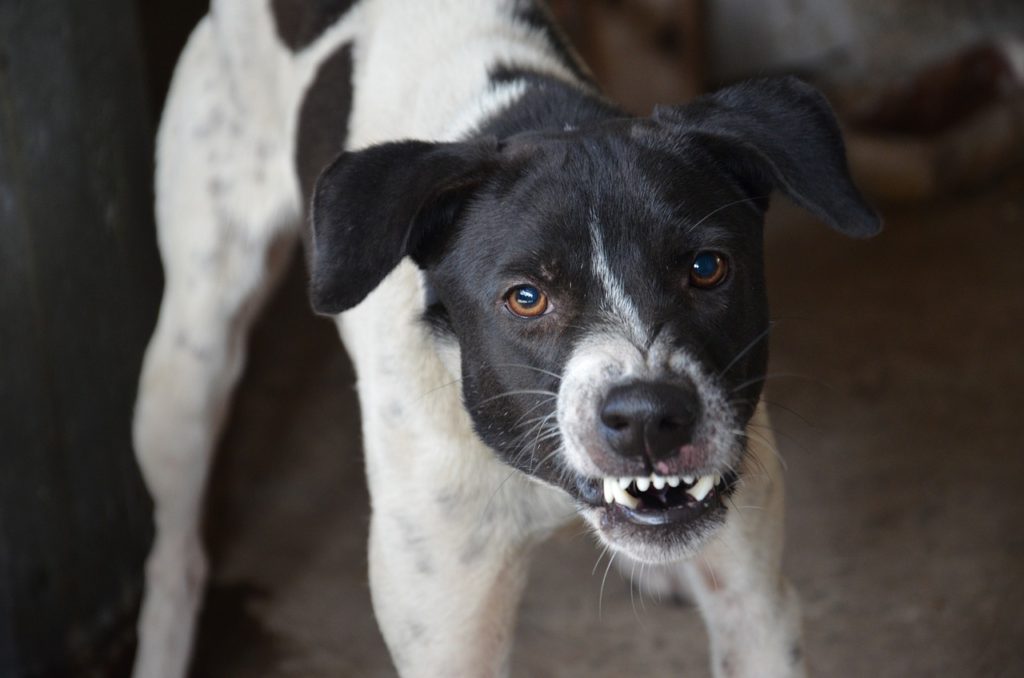
Dogs develop different ways to explicit its anxiety. Aggression is one of them and is surely the most dangerous. Dogs can be aggressive with dog owners, other dogs or people, or start acting with destructive behaviors. The aggression-anxiety in dogs, is manifested in two ways:
- Directly: the dog will express aggression directly towards the primary stimuli, for example the dog owner, another person or another dog.
- Indirectly: the dog will become aggressive towards a 3rd element that is in between the dog and the direct trigger, for example a dog trainer.
“Although anxiety is part of life, never let it control you.”
—Paulo Coelho
Dog anxiety and aggression: how to spot the connection
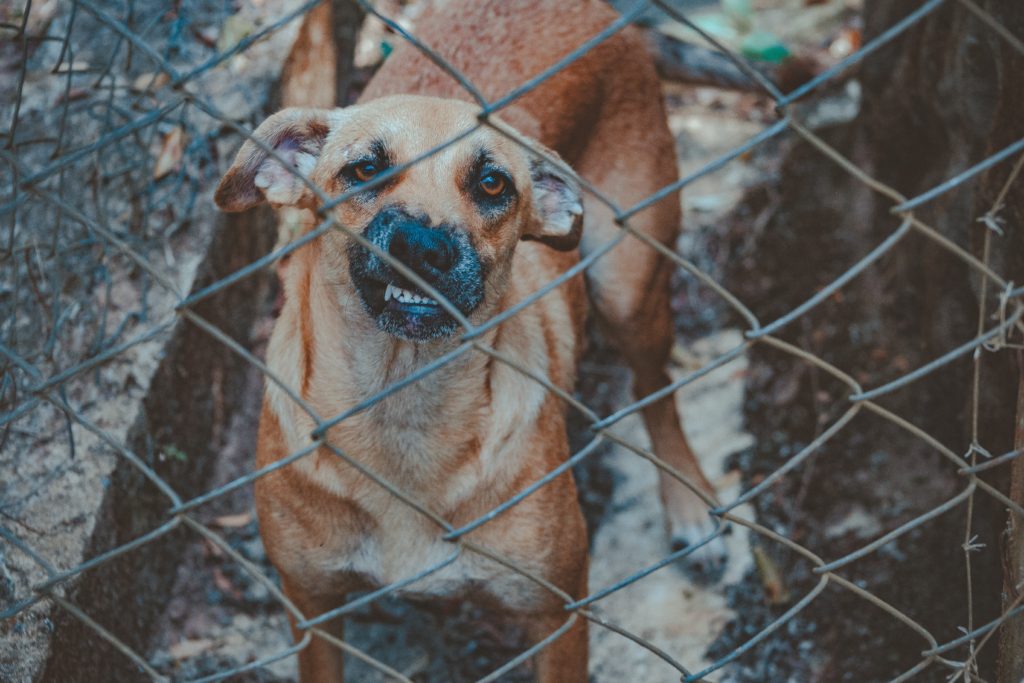
So how do you spot an anxious dog that becomes aggressive?
Your dog will explicit its anxiety with aggression as a way to express its discomfort toward specific stimuli or triggers. The connection between anxiety and aggression in dogs is due to the fact that a dog may become aggressive as a way to protect itself when it feels threatened or afraid.
To spot the connection, observe your dog’s behavior and body language, as well as any potential triggers that may cause it to become anxious or aggressive. Your dog may start destroying your furniture or start biting part of its body and act with self-self-destructive behaviors.
Look for these signs and if they are not related to anything clearly visible, it’s recommended to seek professional help from a veterinarian or a certified animal behaviorist.
Dog anxiety and aggression: prevention tips
Preventing dog anxiety and aggression involves a combination of environmental changes, training, and behavior modification. Here are some tips to help prevent these issues in dogs:
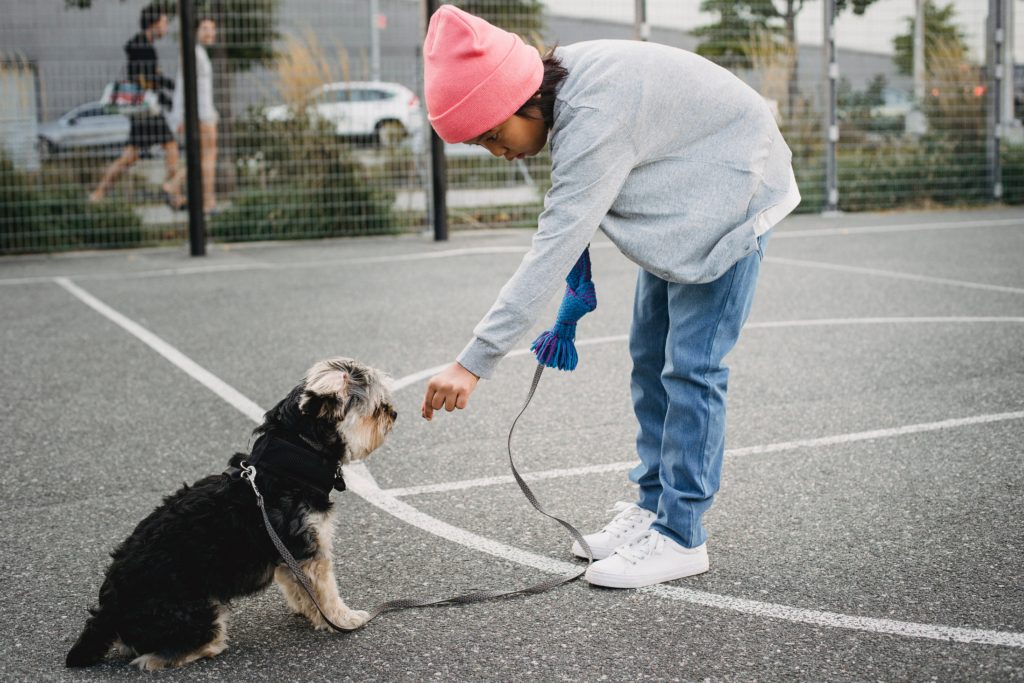
- Provide a stable and predictable environment: Dogs thrive in a consistent and structured environment, so maintain a regular routine and provide a safe, secure living space for your furry friend.
- Socialization and positive reinforcement training: Starting at an early age, expose your dog to different people, animals, and environments to help them develop confidence and social skills. Reinforce good behavior with positive reinforcement techniques, such as treats and praise, to build trust and a strong bond with your dog.
- Manage triggers: Identify and avoid situations that may trigger anxiety or aggression in your dog, such as loud noises, meeting new people or animals, or unfamiliar surroundings.
- Exercise: Regular physical activity can help reduce anxiety and prevent boredom, which can lead to destructive behavior.
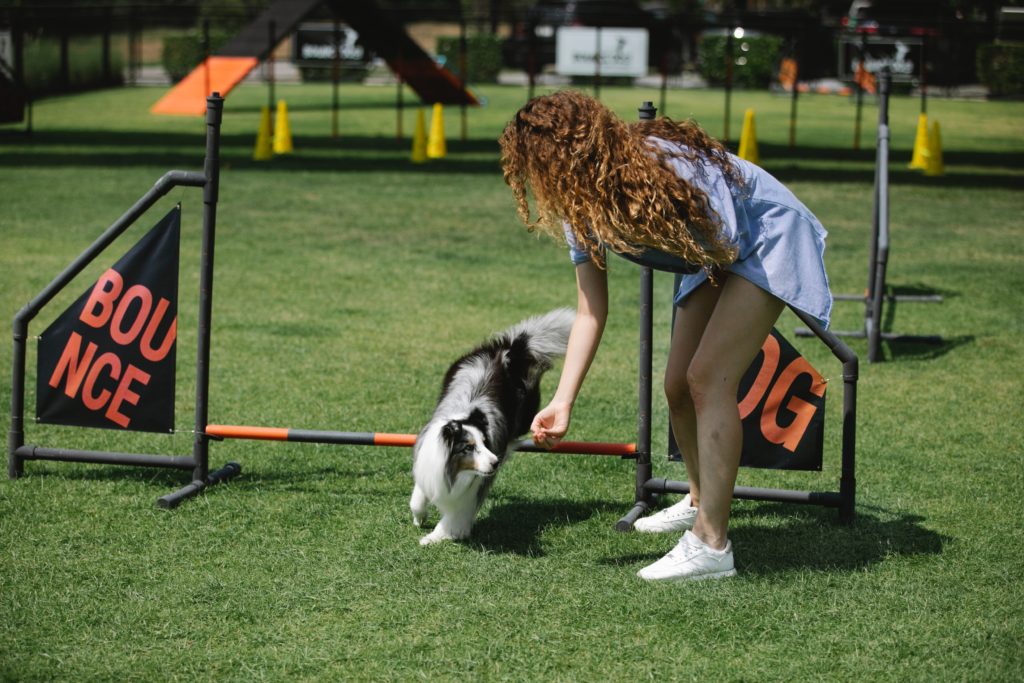
Remember, prevention is key when it comes to dog anxiety and aggression. So be consistent in providing a supportive environment, proper training, and addressing potential triggers, to help your dog live a happy and healthy life!